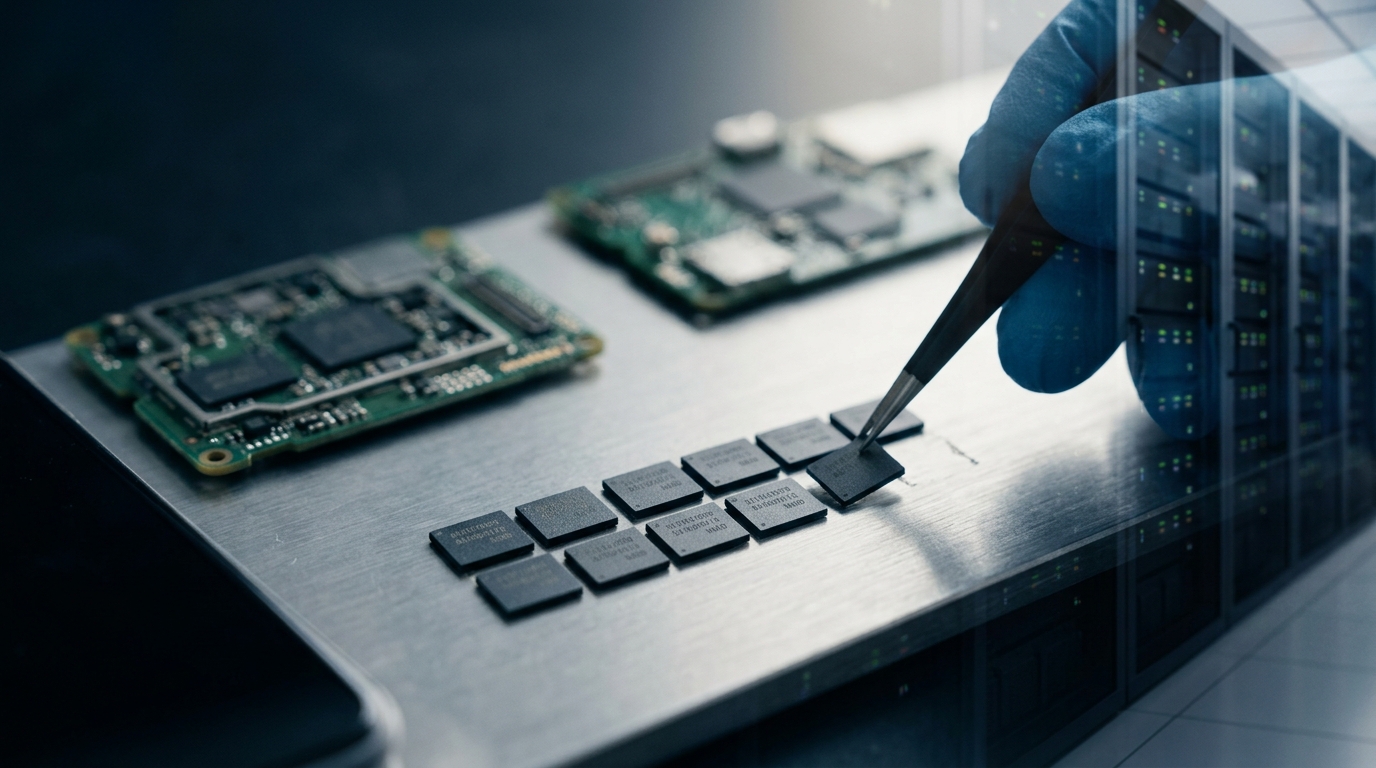
This one broke late on Wednesday and it’s worth paying attention to. But the key detail needs tightening: Tim Cook has not (at least publicly, in verifiable reporting) told the Wall Street Journal that price hikes are coming across Apple’s hardware lineup, or that tariffs and manufacturing costs are not factors. What he has said—on Apple’s earnings call—is that Apple is expecting “significantly higher memory costs” in the June quarter and that memory costs will “drive an increasing impact” on the business beyond June.
That matters because it points to a real component-cost headwind. But it’s different from a direct, across-the-board price-hike confirmation.
Analyst Targets
- Morgan Stanley: Overweight, $360 price target
- TD Cowen: Buy, $350 price target
- Maxim Group: Buy, $350 price target
- JPMorgan: Overweight, $325 price target
- Consensus (48 analysts, S&P Global): Buy, avg. price target ~$310.51
The Company
Apple designs and markets the most recognized consumer hardware franchise in history — iPhone, Mac, iPad, Apple Watch, and a fast-growing services segment that recently posted a quarterly record of about $31 billion. The company’s market cap is around the mid-$4 trillion range (roughly $4.4–$4.6T in early June 2026, depending on the day). AAPL shares closed at $301.54 on June 8, 2026, the day they hit an intraday high of $317.40 during WWDC week.
The Numbers Behind the Crunch
This is where it gets interesting. The memory chip situation doesn’t look like a short-term supply hiccup. Multiple industry reports have tied rising DRAM and NAND pricing to AI server demand and supply tightness. And TechInsights has been cited in reporting as estimating that maintaining Apple’s margins could require a meaningful iPhone price increase—on the order of a couple hundred dollars—for a future high-end Pro model (one widely cited figure is roughly $270 for an iPhone 18 Pro scenario).
That’s not a rounding error. That’s a structural shift in how Apple prices its flagship product.
Hyperscalers — Meta, Amazon, Microsoft — have committed billions in AI infrastructure capex for 2026 alone. The chips needed to run large language models require dramatically more memory than anything in consumer electronics. Some reporting also suggests memory suppliers have been prioritizing higher-margin data center demand, which can leave downstream pressure on consumer device makers.
Why the Stock Is Moving the Way It Is
The market seems to be working through two conflicting reads simultaneously.
On one hand, higher prices (if they come) protect margin — and Apple’s margins are the spine of its valuation. If the company can pass costs to consumers without meaningful demand destruction, the income statement survives intact. On the other hand, even the possibility of a large premium added to an already expensive iPhone Pro introduces real demand risk, especially in price-sensitive markets like China and India where the next leg of growth is supposed to come from. Slight tangent, but worth noting: Apple has said its new Siri AI features announced at WWDC 2026 won’t initially be available in the EU or in China due to regulatory requirements.
Bull / Base / Bear
- Bull: Premium iPhone buyers absorb any price increase. Services revenue continues to grow, offsetting any hardware unit pressure. Stock re-rates toward $350+ as margin profile holds.
- Base: Some demand softening at the high end, offset by lower-tier model stability. Services revenue buffers the earnings impact. Stock trades in the $295–$330 range over the next two quarters.
- Bear: Memory crunch worsens into 2027. Premium iPhone demand drops meaningfully. China weakness accelerates. The combination of regulatory AI delays and hardware pricing pressure creates a real earnings miss setup.
Technical Overlay
AAPL has pulled back from its June 8 intraday high of $317.40. The $290–$292 zone served as near-term support after the post-WWDC selloff. Resistance overhead in the $305–$310 range. A close above $310 would signal the post-WWDC digestion period is over.
What Investors Should Watch
Memory pricing trajectory through Q3 2026. Any signal from suppliers like Samsung or SK Hynix on consumer allocation shifts. Services revenue in the next quarterly report — that number is becoming one of the most important line items in Apple’s income statement. And whether Apple’s component-cost commentary prompts similar discussion from Samsung, Google, or other consumer hardware names facing the same squeeze.
Bottom Line
Apple raising iPhone prices isn’t the story. The story is that AI infrastructure spending has grown so large, so fast, that it’s now credibly pressuring the component supply chain for consumer devices. That’s a macro signal dressed up as a product narrative. And for AAPL investors, the question isn’t whether margins hold this quarter — it’s whether pricing power and services growth are durable enough to absorb what looks like a multi-year memory cost headwind.
For informational purposes only.