Here is the thing about Caterpillar right now. It is up more than 78% in 2026. It crossed $1,000 per share for the first time in its history on June 22. And the average analyst price target is still sitting near $935.
The stock is trading above where Wall Street thinks it should be. That is not a typo.
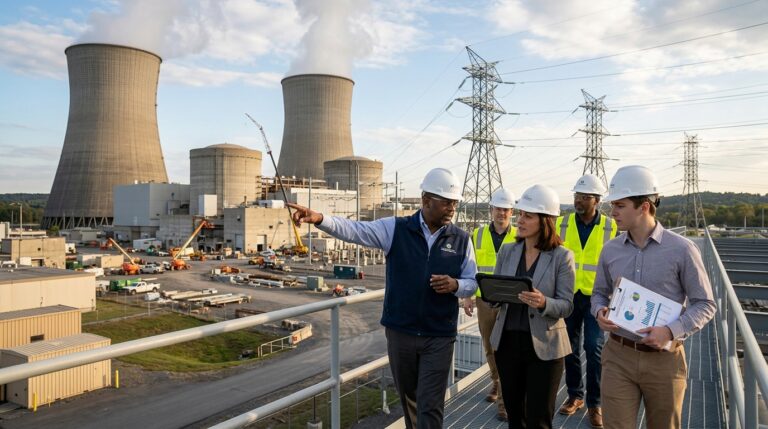
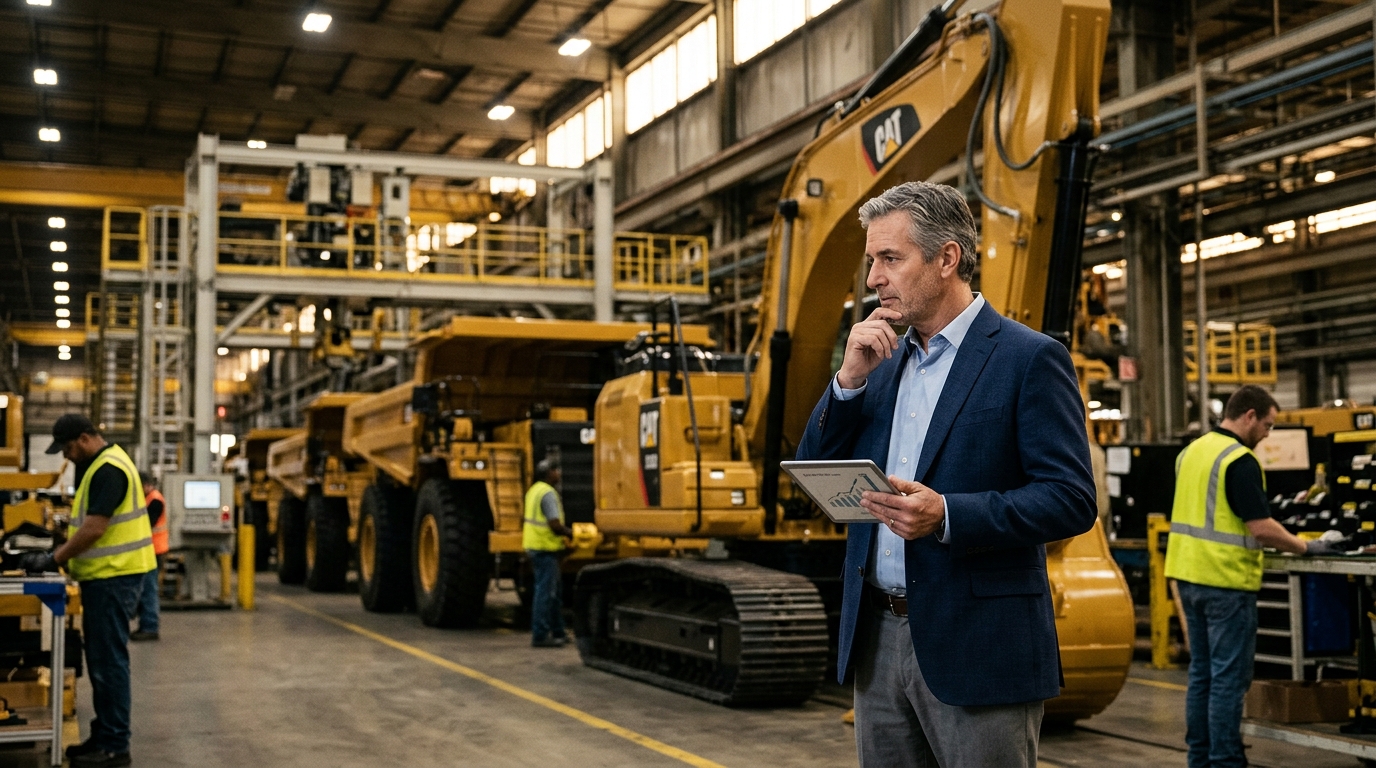
What changed? The short answer: everything and nothing. The machinery is the same. The factories are the same. The iconic yellow iron is still moving dirt and mining copper and building roads. But the Power and Energy segment – the one supplying massive reciprocating engines and industrial gas turbines to AI data centers – has completely rewritten the investment case for a company founded in 1925.
First-quarter 2026 revenue rose 22% year over year to $17.4 billion. The order backlog reached a record near $63 billion, up 79% from the same period a year ago. Management has already guided to nearly tripling large engine production capacity by 2030. JPMorgan pushed its price target to $1,165. Evercore went to $1,103. Wells Fargo moved to $1,050.
And yet.
The Street’s average target still sits below the current price. That gap is the whole story.
The bull case is straightforward. The Chevron-Microsoft Project Kilby in West Texas – a massive AI-driven data center power facility – tapped Caterpillar to supply large reciprocating engines and industrial gas turbines. That deal is not an anomaly. It is representative of what the Power and Energy pipeline looks like right now. Hyperscalers are building. They need power. Caterpillar makes the power. The backlog is real, it is growing, and it gives the company multi-year revenue visibility that machinery investors almost never see.
Slight tangent, but it matters: this is the same dynamic that made GE Vernova interesting six months ago. The market eventually figured that one out too. Whether CAT is ahead of or behind that curve is the only question worth asking.
The bear case is not about the business. It is about the multiple. CAT now trades near 51 times trailing earnings. For context, that is a valuation more typical of software companies than industrial manufacturers. The Resource Industries segment saw a 39% year-over-year profit drop. Management has guided $2.2 billion to $2.4 billion in tariff-related margin pressure for full-year 2026. And insiders have sold more than $87 million in shares over the past three months.
Bulls say the structural shift into AI power infrastructure is permanent and justifies a premium. Bears say a machinery company with margin pressure and a stretched multiple has already priced in years of good news. The market cannot yet answer which side is right.
What the market is missing, though, is the August 5 earnings date. That is when Q2 results hit. If the Power and Energy segment margin holds steady while the segment keeps growing, the case that Caterpillar has permanently re-rated as a durable power infrastructure company survives. If that margin keeps compressing, with tariffs and capacity ramp costs biting deeper than guided, then a stock at all-time highs has the most to lose.
The dividend tells its own story. On June 10, the board raised the quarterly dividend 8% to $1.63 per share – the 32nd consecutive annual increase. Cash is coming in. The business is executing. The question is whether the stock price has simply arrived too early at a destination it will eventually reach anyway.
At $1,000-plus, CAT is not a bargain. It is a quality industrial compounder that the market has decided to price like a tech company. The next two months will show whether the fundamentals can catch up to the multiple – or whether gravity reasserts itself first.
Worth a closer look before August 5.
This editorial is for informational purposes only and does not constitute investment advice. All figures sourced from company filings, analyst reports, and publicly available data as of June 25, 2026. Past performance does not guarantee future results.