CSX reports Q2 2026 earnings after the close tonight.
The last quarter told an interesting story. CSX met analysts’ revenue expectations last quarter, reporting revenues of $3.48 billion, up 2% year over year. It was a satisfactory quarter with a beat of analysts’ EPS estimates. One quarter of ~2% growth is not exciting. But the setup heading into Q2 is different.
The Numbers Tonight
- Consensus revenue estimate: ~$3.88B (about 9% growth year over year)
- Consensus EPS: ~$0.51 per share, up from $0.49 a year ago
- Average EPS surprise history: beat in 3 of last 4 quarters, avg. beat of roughly 3%–6%
This quarter, the market is expecting CSX’s revenue to grow about 9% year on year, a reversal from the ~3% decrease it recorded in the same quarter last year. That is a meaningful inflection. The question is whether volumes actually delivered it.
The Reshoring Angle
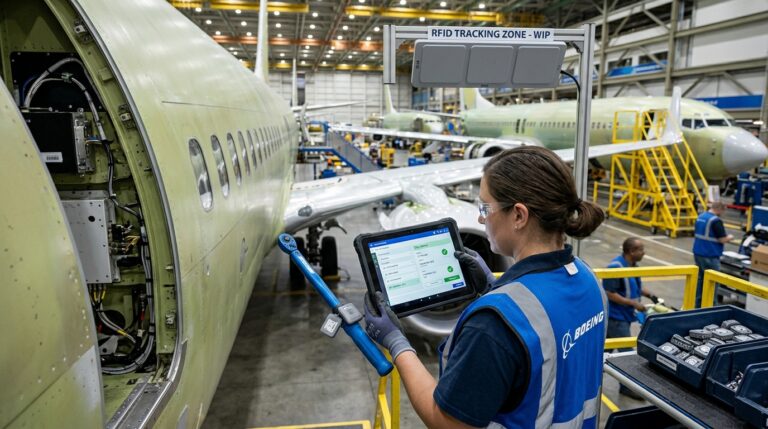
Here is where it gets interesting. This is not just a freight cycle story. It is a reshoring story. Auto onshoring is under way and CSX has spoken to notable wins that are starting to ramp up, emphasizing that the incremental volume opportunity is large given that imported vehicles did not touch the rail network significantly.
That detail matters more than people realize. When a car is imported, it arrives at a port and can go directly to a lot. When it is made domestically, it can move by rail. CSX connects major metropolitan areas in the eastern United States, where a large share of the nation’s population lives. Every new domestic auto plant is a new volume source that did not exist in CSX’s prior-cycle model.
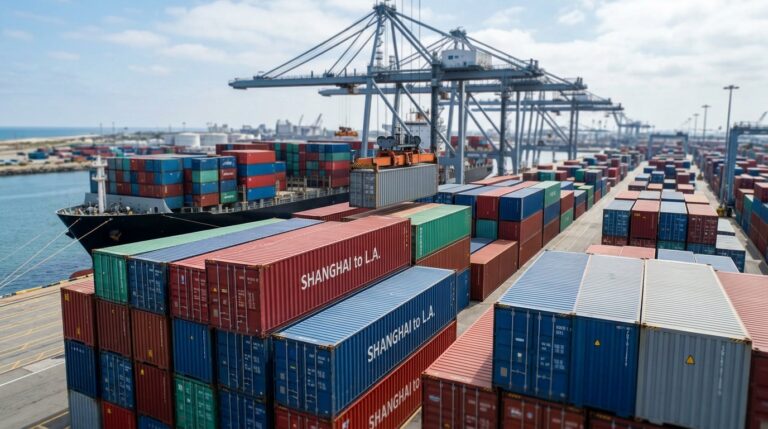
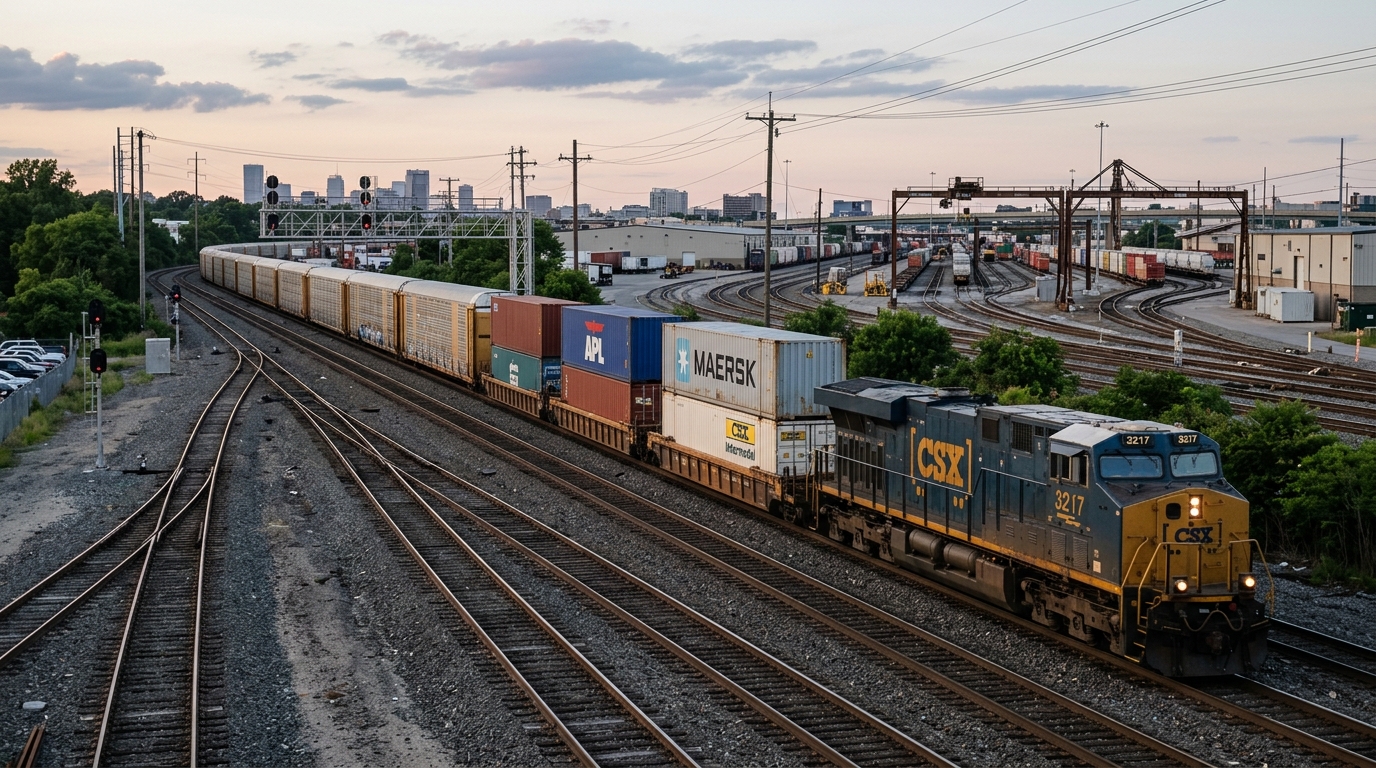
Then there is the Howard Street Tunnel. The completion of the Howard Street Tunnel and related clearance projects is expected to unlock capacity, enhance service reliability, and enable double-stack intermodal service on key routes, which management believes will drive incremental volume growth in 2026. Double-stack intermodal is not a minor upgrade. It increases the number of containers a train can carry on those routes.
The Volume Picture
CSX stock reflects a freight-rail recovery, with recent results showing higher intermodal volumes, cost efficiency gains, and disciplined capital returns to shareholders. In the latest quarterly disclosure, merchandise volume was flat year over year, intermodal volume grew, and coal trends were mixed (domestic up, export down).
Coal is the drag. That is not new. The question tonight is whether intermodal and automotive growth are large enough to more than offset the coal softness. If the answer is yes, the ~9% revenue estimate is achievable. If automotive onshoring volumes came in stronger than expected, there is upside to that number.
Bull / Base / Bear
Bull: Revenue comes in at or above the ~9% growth estimate, double-stack intermodal volumes show meaningful sequential acceleration, and management raises full-year guidance. The auto onshoring pipeline converts faster than the Street is modeling. Stock pushes toward the upper end of its 52-week range.
Base: Revenue comes in near consensus, EPS beats modestly as it has in most recent quarters, and management maintains guidance with cautious language on industrial end markets. The freight cycle is confirmed as turning but not yet accelerating. Stock holds its current range.
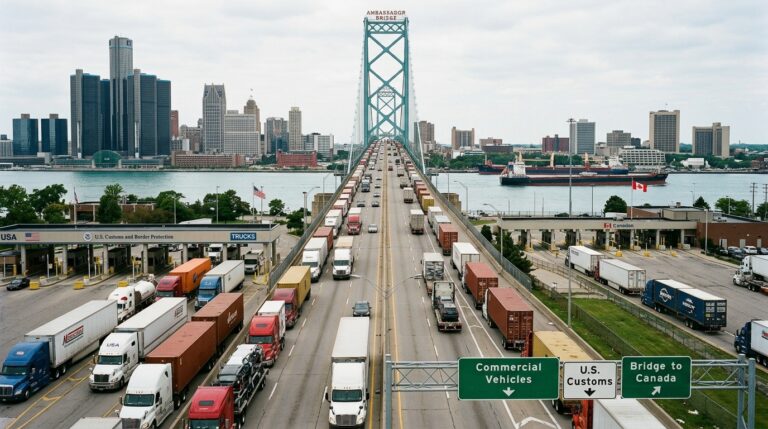
Bear: The company remains cautious about continued pricing pressure in coal, soft demand in automotive and housing-linked segments, and uncertainties tied to tariffs and global trade. A revenue miss on weak industrial demand sends the stock lower and calls the recovery timeline into question.
What to watch on the call
Three things matter most tonight. First, intermodal volume growth — specifically whether the Howard Street Tunnel clearance work is showing up in actual numbers. Second, any update on the industrial development pipeline. The longer-term industrial pipeline remains robust, even growing, though customers are increasingly cautious on putting pen to paper on final steps due to macro uncertainty. Third, pricing commentary. Once tracks, terminals, and locomotives are in place, incremental intermodal units can contribute meaningfully to revenue and earnings without requiring proportionate increases in fixed costs. This dynamic is why investors watch intermodal volume statistics closely, as they can offer an early indication of freight demand changes tied to consumer spending and import trends.
Bottom line
CSX is not a flashy trade. It is a thesis on whether the American industrial economy is actually rebuilding, or just talking about it. The railroad does not care about headlines — it cares about what is actually moving. Tonight’s numbers will tell you more about the real state of domestic manufacturing and trade than almost any other report this earnings season. That is the part most investors will skip. It probably should not be.
For informational purposes only.