Most investors looking for exposure to the AI data-center buildout reach for chip designers or cloud software. The more interesting position may be a 101-year-old equipment maker in Irving, Texas.
Caterpillar is scheduled to report Q3 2026 results before dawn on October 29, with a call beginning at 7:30 a.m. CDT. Consensus sat around $7.03 per share on roughly $20.7 billion in revenue, against $4.62 a year ago.
Why This Quarter Is Different
The second quarter was historic but messy. It was the first time in company history Caterpillar generated over $20 billion in sales and revenues in a single quarter. But Q2 margins were helped by $392 million in expected IEEPA tariff recoveries, a genuinely non-recurring item, and one reason the reported margin expansion overstated the underlying run rate. Q3 carries none of that cushion. Caterpillar has guided to full-year 2026 tariff costs of around $2.2 billion, excluding IEEPA recoveries, and has said its outlook does not assume additional IEEPA refunds in the second half.
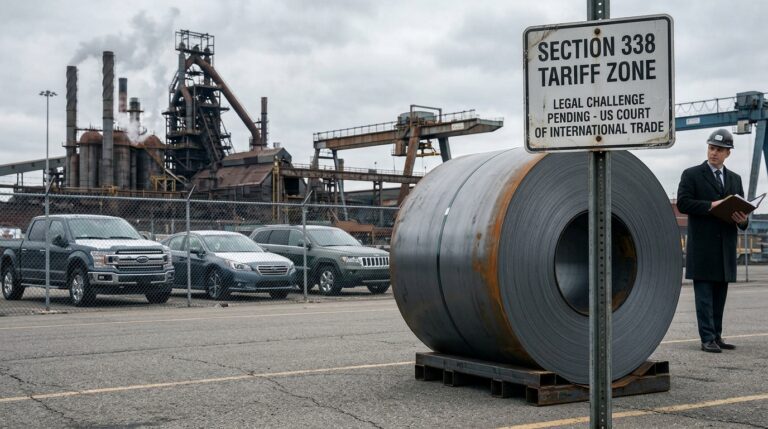
Elevated tariff expenses are likely to have weighed on Q3 profitability, with management having pointed to tariff costs of around $600 million for the quarter, split roughly 50% in Construction Industries and 25% each in Power and Energy and Resource Industries. The main test is whether operating margins can remain near 19% after excluding the temporary tariff recoveries that inflated Q2.
The Data-Center Engine Inside the Industrial Giant
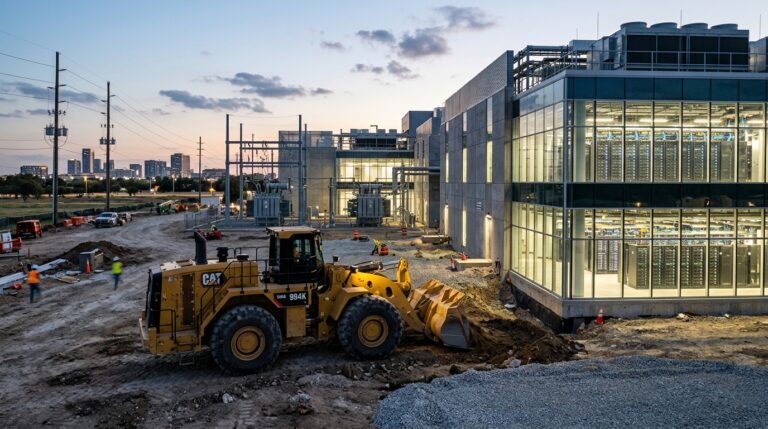
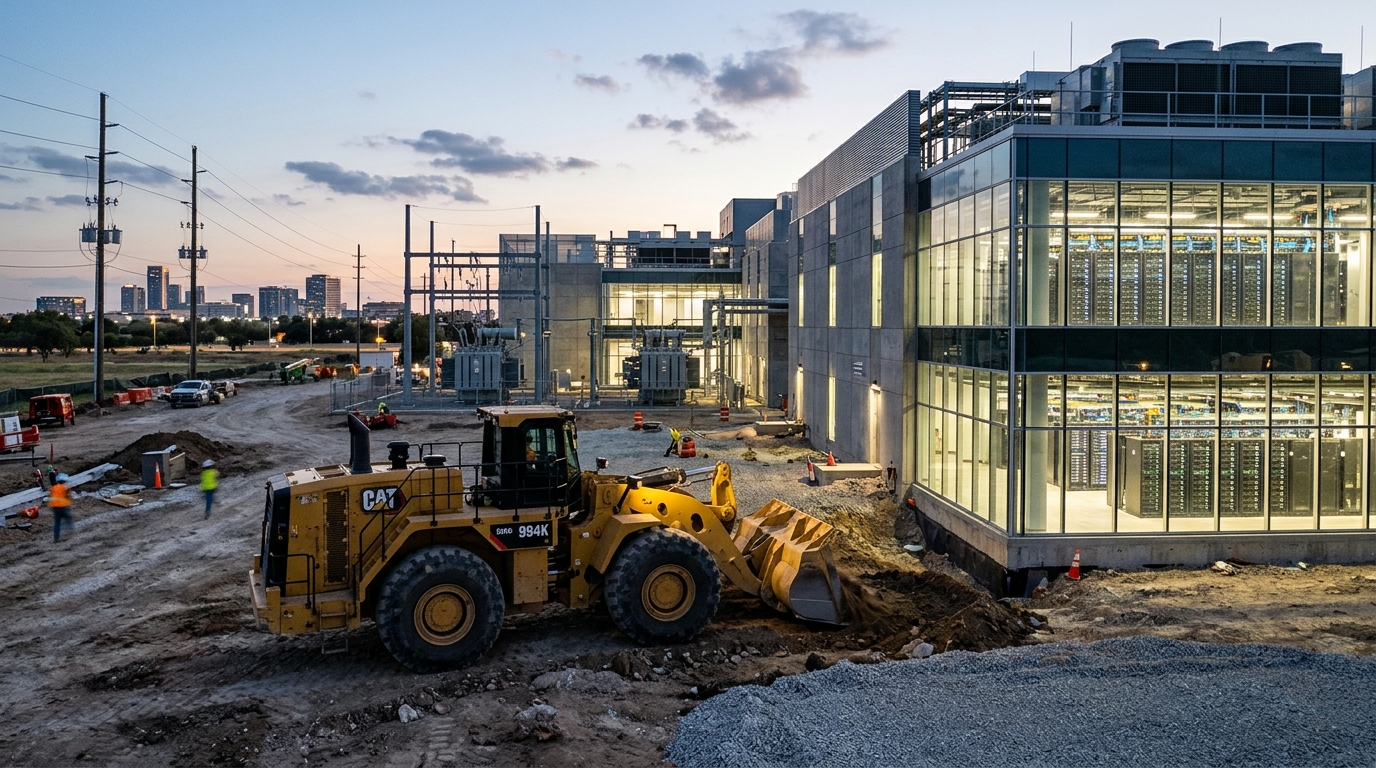
Strip away the construction equipment framing and what emerges is a company that sells power infrastructure hyperscalers cannot easily source elsewhere. Power and Energy grew 17% to $8.24 billion in Q2, with segment profit up 30%, making it the largest part of Caterpillar by sales. Power generation retail sales grew 72% over last year in Q2, driven by very strong demand for large generator sets and turbines used in data-center applications, according to management.
Caterpillar’s backlog hit a record roughly $72 billion, up 92% year over year, with some Power and Energy orders stretching out to 2030. As of June 30, 2026, about $29.2 billion of that backlog was not expected to be filled in the following 12 months, implying that about 59% was expected to be delivered over the next year. Management has pointed to the stability of that ratio as a sign the demand is structural, not a surge that fades.
Management has lifted Caterpillar’s updated long-term sales and revenues growth target to 6% to 9% CAGR from 2024 through 2030, and outlined plans to increase large reciprocating engine capacity to nearly 3 times 2024 levels. To meet growing demand, Caterpillar is resuming production of a 10-MW medium-speed gas reciprocating engine platform, which the company stopped manufacturing in 2022 due to limited industry opportunity. It has discussed restoring up to 1.5 GW of capacity, with shipments expected to begin in Q4.
The Risks
The bull case has real friction. Tariff costs of around $2.2 billion for the full year are a structural drag, not a rounding error, and the Q2 refund that flattered margins will not repeat. While revenue and profit growth are strong, tariff costs and accelerated depreciation are likely to cap visible margin expansion in the near term.
Valuation deserves scrutiny too. CAT shares gained 5.6% the day after Q2 earnings, then drifted 19.7% lower over the following 80 days. A pattern of beating estimates but selling off afterward reflects a market that demands more than a beat. It demands proof the Power and Energy margin held, and that the backlog continued converting.
What Investors Should Watch
Three numbers matter most from this morning’s release: whether operating margin holds up without tariff-refund help; whether the Power and Energy segment margin is close to its Q2 level of 24.6%; and whether the backlog holds around $72 billion, confirming order activity did not slow into quarter-end.
The autonomy angle, previewed earlier this week, adds a longer-dated option. The Cat 775 marks the first time Caterpillar’s autonomous hauling technology has been deployed on that truck model. Collectively, Caterpillar has said its autonomous trucks have hauled more than 11 billion tonnes with no reported injuries. Moving autonomy down to mid-size trucks opens the aggregates and construction market, a volume opportunity that barely registers in current estimates.
The bottom line is straightforward. Caterpillar is not a construction-cycle stock anymore. It is an infrastructure supplier to the companies spending the most capital in the world right now. Whether the margin line confirms that thesis, without the benefit of a one-time refund, is exactly what Q3 was built to answer.